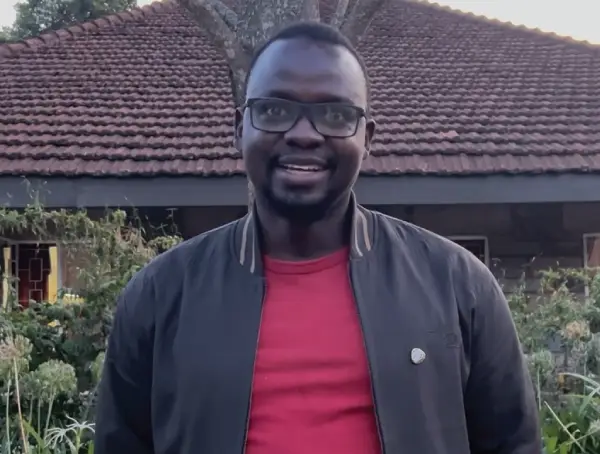
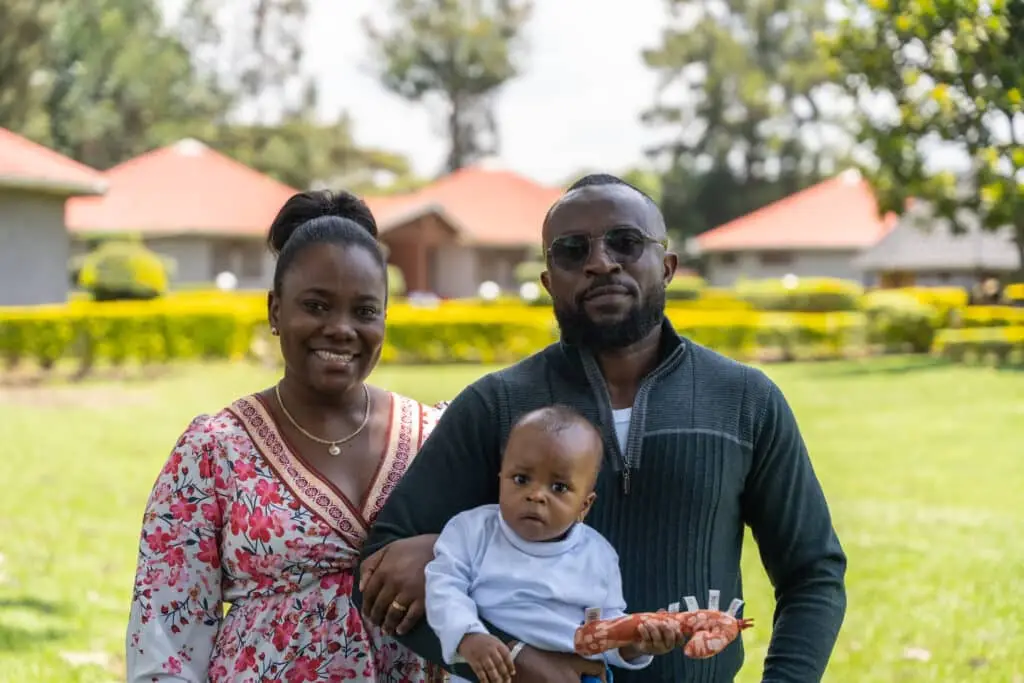
When Dr. Felix Mulago, a National Scholar from Congo, was growing up, he was fascinated by the doctors he saw during routine medical visits.
“I was always telling my parents that I wanted to become like these guys,” he recalled.
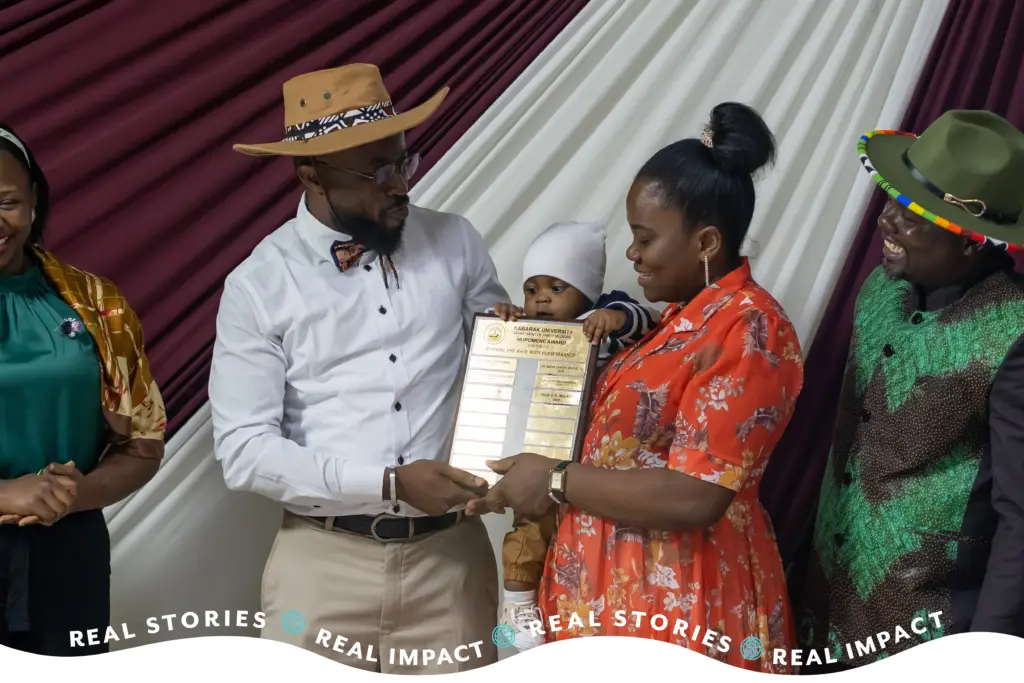
Today, Felix is preparing to graduate from Kabarak University’s Family Medicine residency program in Kenya. His journey from a modest upbringing in the Democratic Republic of Congo to becoming a physician leader reflects both determination and God’s faithfulness.
More importantly, it highlights the impact that National Scholars can have when they receive the training needed to serve communities where healthcare access remains limited.
Growing Up in Congo
Felix was born and raised in Bukavu, one of the largest cities in eastern Congo.
His father worked hard to provide for a family of six. Although resources were limited, his parents made education a priority and raised their children in a Christian home.
“My dad was serving in the church, and my mom was singing,” Felix shared. “I grew up in that Christian environment.”
Many of the young people around him left school early to help support their families. His father made sacrifices to ensure Felix could continue his education and pursue his dream of becoming a doctor.
A Calling to Help People
For Felix, medicine was never simply a career choice.
“I truly want to help people who are in need,” he explained.
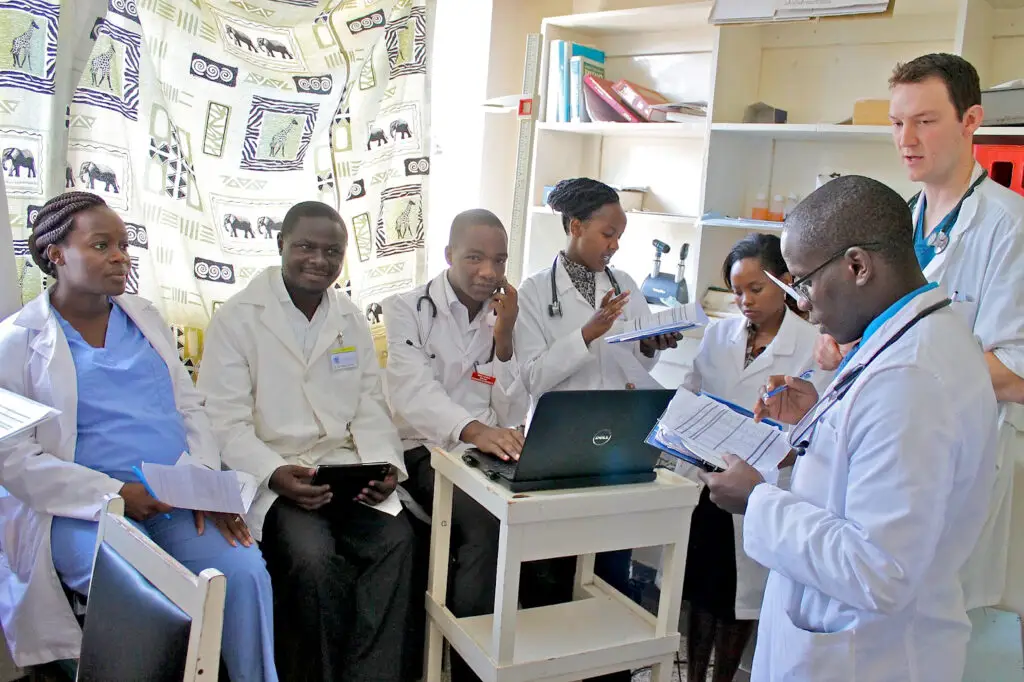
That desire eventually led him to medical school and later to Kenya as a National Scholar from Congo, where he joined the Family Medicine residency program at Kabarak University through the MedSend National Scholars program.
The program has shaped him professionally, personally, and spiritually.
“As a person I have grown a lot through this program, both as an individual and also spiritually,” he said.
The Challenges of Residency
Residency training is demanding in any setting.
For Felix, one season nearly pushed him to the breaking point.
While rotating through internal medicine, he found himself as the only resident responsible for approximately forty hospitalized patients after the hospital temporarily lacked interns.
“It was too much,” he remembered. “I was very close to burnout, and even to quit the program.”
Family support, prayer, and time in scripture with his mentors helped him persevere through one of the most difficult periods of his training.
His experience reflects a reality many National Scholars face. Advanced medical training requires extraordinary commitment, long hours, and significant financial pressure.
Why National Scholars Matter
Across Africa and Asia, many communities need physicians who understand the local language, culture, and healthcare challenges.
The National Scholars Program helps equip Christian physicians with advanced residency training so they can serve their own communities with greater skill, leadership, and compassion.
For Felix, he tells us that training has been transformative.
Today he hopes to use what he has learned to help others, particularly in the Democratic Republic of Congo.
His long-term desire is to return home and serve his people when conditions allow. Ongoing conflict in eastern Congo currently makes that difficult, but his commitment remains unchanged.
Grateful for the Opportunity
When asked what MedSend’s support has meant to him, Felix did not hesitate: “It means a lot!”
He has seen fellow residents struggle through training without support.
“I’m truly, truly grateful to MedSend for what they are doing, the way they are impacting our lives, helping us go through this program without a lot of stress.”
His gratitude extends directly to the donors who made his training possible.
“God bless you,” Felix said. “He’s the only one who can reward you.”
Investing in Future Physician Leaders
Felix’s story is one example of how the National Scholars Program is helping develop physician leaders who are prepared to serve where healthcare needs are greatest.
The training he has received will impact patients, families, and communities for years to come.
When you support National Scholars, you help equip physicians who will bring compassionate healthcare and Christ-centered service to places where both are urgently needed.
Help Train More National Scholars
Many physicians across Africa and Asia are ready to begin or continue residency training.
Your support helps make that possible.
Give today to help train National Scholars who are preparing to serve their own communities with compassionate healthcare and Christian witness.