Compassionate surgical care is about far more than surgery.
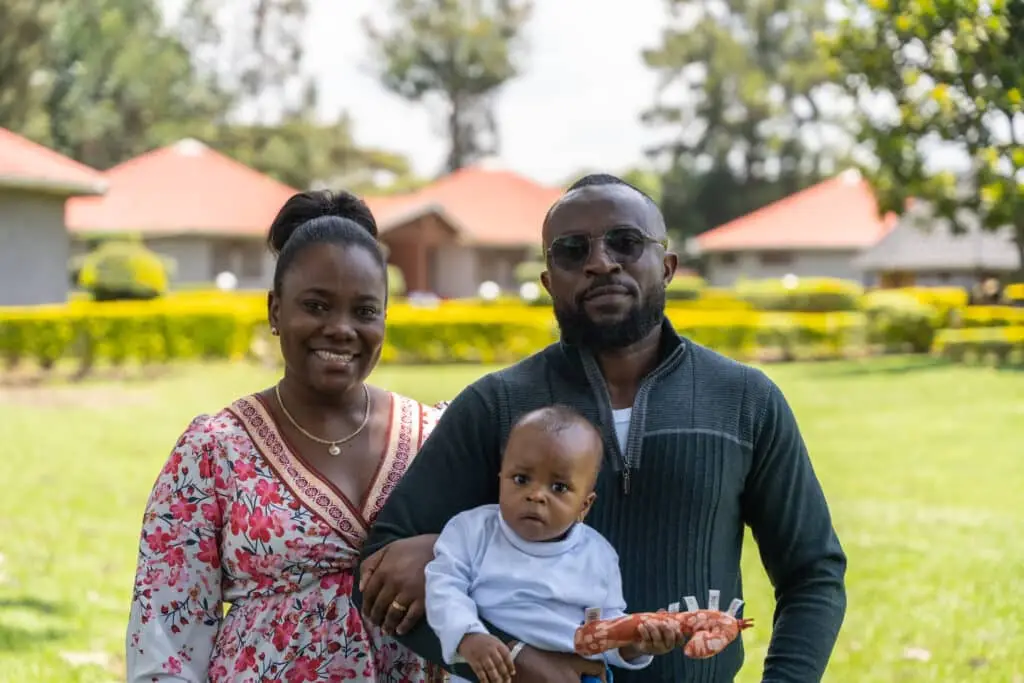
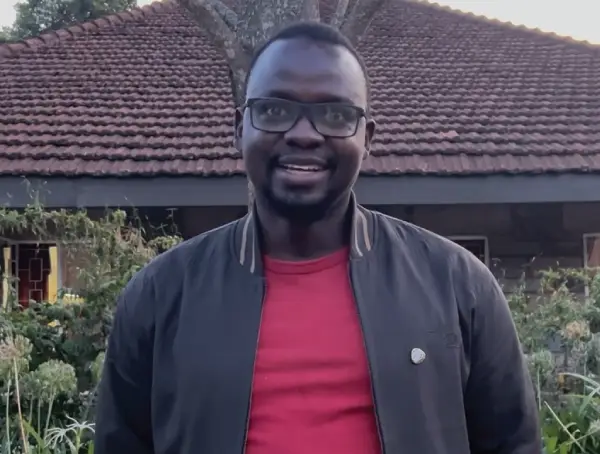
When Peter Paul Opiro first began pursuing medicine, his goal was to become a surgeon.
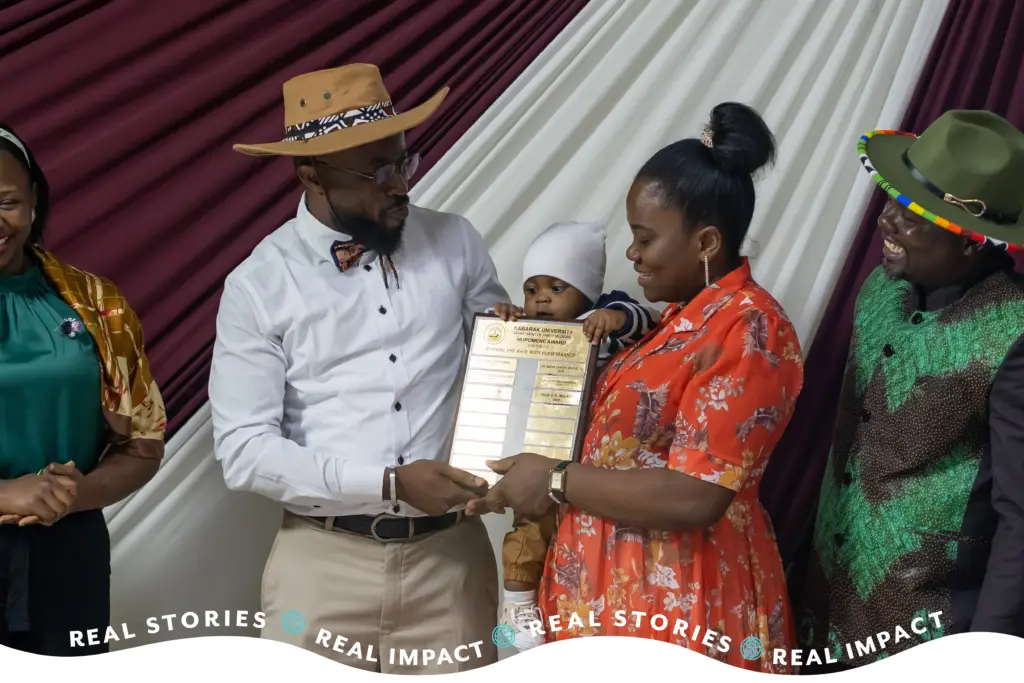
Today, after three years of advanced residency training through the Pan-African Academy of Christian Surgeons (PAACS) and support from MedSend’s National Scholars Program, his understanding of surgery has grown into something much deeper.
As Peter explains:
“Surgical service delivery is indeed a means of reaching out to the patient… not an end in itself.”
For Peter, surgery is not the destination.
It is the opportunity.
The opportunity to relieve suffering.
The opportunity to build trust.
The opportunity to demonstrate the love of Christ to patients and families during some of the most difficult moments of their lives.
Surgery That Heals Body and Soul
Peter often reflects on the story of blind Bartimaeus in Mark 10.
Jesus healed Bartimaeus’ blindness, but He also transformed his life. Peter sees that same calling in his own ministry. In a letter to MedSend, he wrote:
“I believe the world… still has the same loud cry… a surgical specialist who can give excellent contemporary surgical service to a patient but also share the lordship, love and salvation of our Lord Jesus Christ.”
That perspective shapes how Peter approaches every patient:
“We look at each patient as a whole… Those who do not know Christ yet, we look for an opportunity… that they would come to the saving knowledge of Jesus.”
A Rare Opportunity
Peter grew up in Uganda, where access to specialized surgical care remains limited.
Receiving advanced surgical training is a rare opportunity.
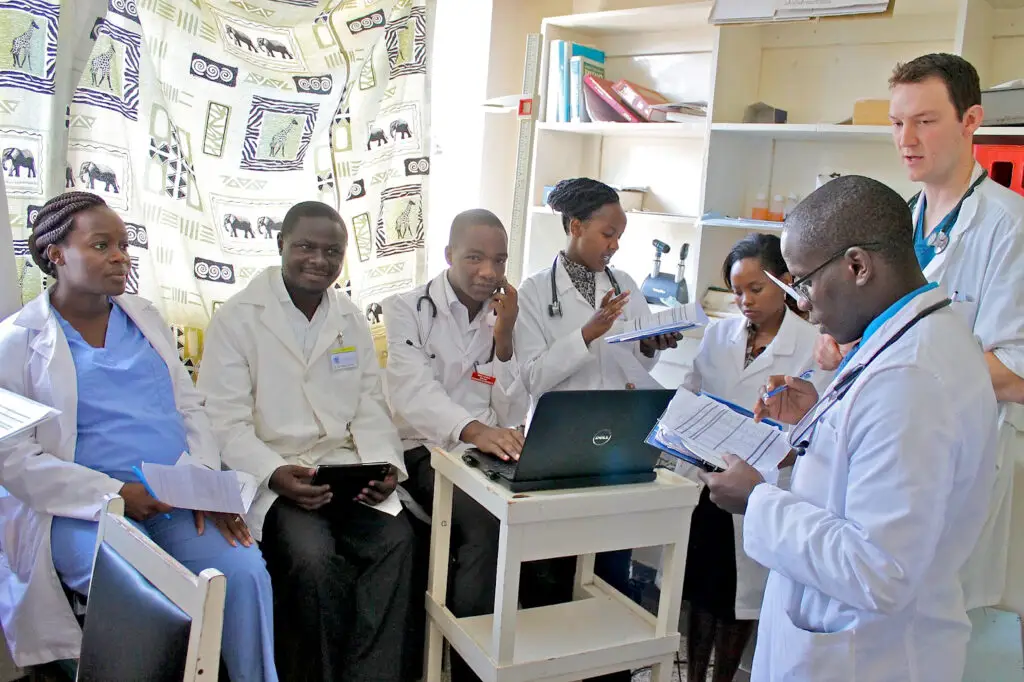
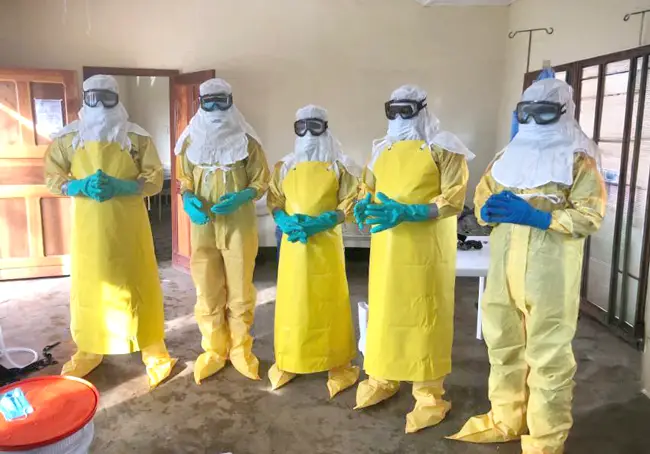
Through MedSend’s National Scholars Program, Peter has spent the last three years training at AIC Litein Hospital in Kenya, where he regularly sees between 40 and 80 surgical clinic patients each day, with some clinics exceeding 100 patients. Surgical teams perform five to seven operations during each operating day.
Yet Peter also recognizes the limitations. Many patients cannot afford treatment and some procedures must be delayed. Others require referrals because equipment is unavailable.
Having additional surgical tools, Peter explains, would allow physicians to care for many patients who currently must travel elsewhere for treatment.
Training for a Lifetime of Ministry
Peter’s goal extends beyond becoming a skilled surgeon.
He hopes to return to underserved rural communities where few specialists are available.
“I would be able to serve mostly the underprivileged… not the big cities… where I can be able to preach Christ, as I also do my practice as a surgeon.”
That vision reflects the heart of MedSend’s National Scholars Program.
By investing in Christian physicians receiving advanced specialty training, MedSend helps prepare leaders who will strengthen healthcare systems while demonstrating Christ’s compassion in communities with great medical and spiritual need.
Why Compassionate Surgical Care Matters
Every surgeon trained through MedSend represents far more than another medical specialist.
Each physician becomes someone who can heal, teach, mentor, disciple, and serve for decades to come.
As Peter wrote:
“Thank you for believing… Without your financial support and prayer it would not have been possible.”
His story reminds us that compassionate surgical care is never only about medicine. It is about meeting people at their greatest point of need and introducing them to the Great Physician.
Help Train the Next Christian Surgeon
Thousands of communities still lack access to specialized surgical care—and to the hope found in Christ.
When you support MedSend’s National Scholars Program, you help train Christian physicians like Peter who are committed to bringing both healing and the Gospel to underserved communities for generations to come.
Give today to help train the next National Scholar and expand compassionate surgical care where it is needed most.