After 60 Minutes, They Stopped
In a rural operating room in Papua New Guinea, a 45-year-old woman — we’ll call her L — went into sudden cardiac arrest following surgery for early cervical cancer.
Her heart slipped into ventricular fibrillation. The team shocked her five times. They administered medications. They searched for reversible causes. For nearly an hour, they followed protocol.
In a hospital without an ICU, survival after prolonged CPR is rare.
After 60 minutes, they stopped.
Then one of the nurse’s said, “The patient is trying to breathe…She’s in sinus rhythm!”
This is medical missions in Papua New Guinea — limited resources, no guarantees, and physicians who continue working even when outcomes appear sealed.
Faith at the Edge of Medicine
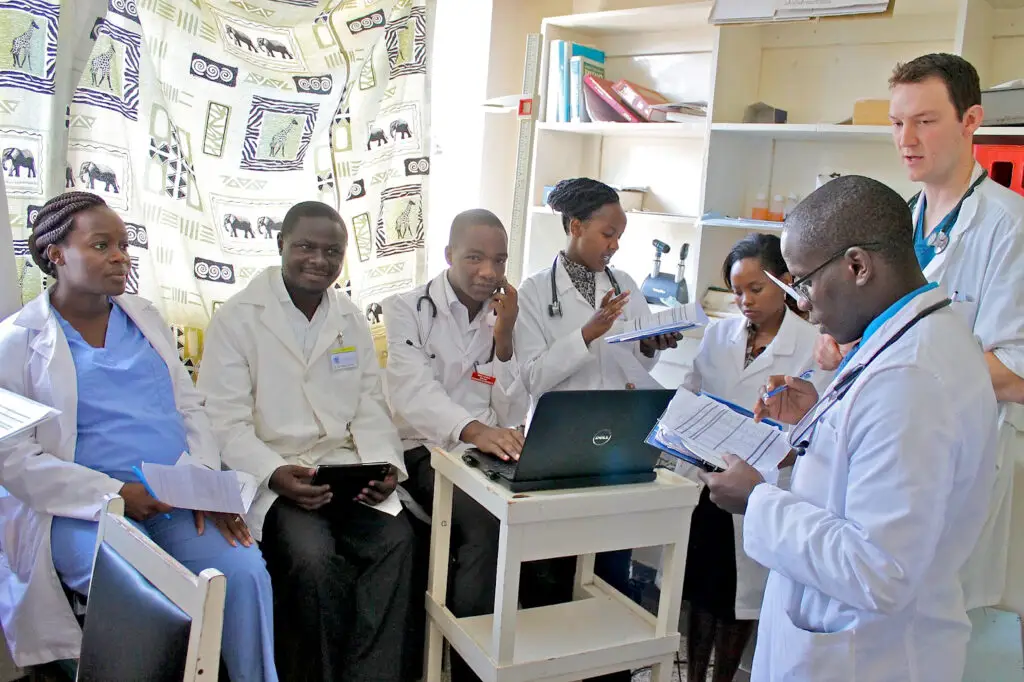
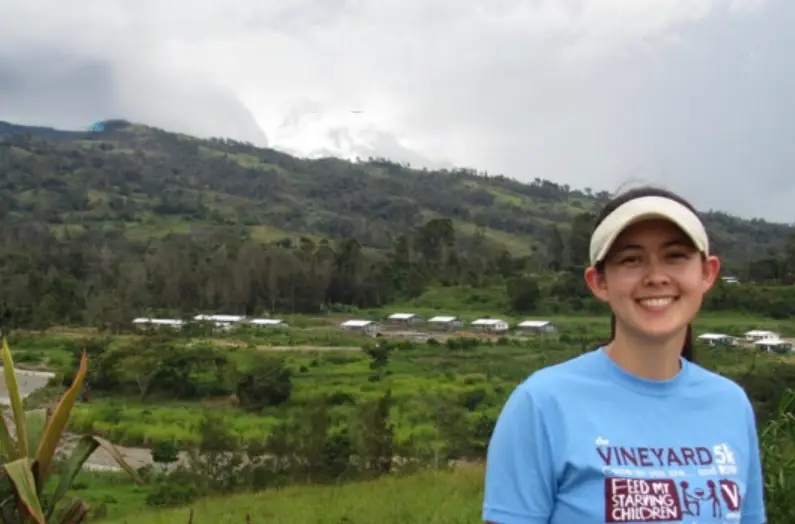
Dr. Sheryl Uyeda, a MedSend-supported surgeon serving at Kudjip Nazarene Hospital, pictured above, had already prepared herself to tell the family that L would not survive.
Over eight years in Papua New Guinea, she has learned something that medicine alone cannot teach:
“I have learned to release patients into His hands… in spite of our best efforts, I can’t ‘save’ anyone. Only He has the power to heal.”
In settings where ventilators are limited and ICU beds nonexistent, faith is not a substitute for skill, it is what steadies skilled hands when outcomes remain uncertain.
The next morning, despite L’s miraculous survival on the operating table, Dr. Uyeda entered the ward expecting the worst.
Instead, she found L sitting up.
“She was awake and fully oriented… Her only complaint was chest pain from the broken ribs [from CPR].”
A week and a half later, L went home, alive and well.
Presence Is the Difference
Papua New Guinea continues to face profound healthcare challenges, including limited surgical infrastructure, geographic isolation, and fragile systems. In these settings, survival often depends not only on technology but on whether a trained surgeon is present when a crisis comes.
MedSend’s support enables Dr. Uyeda to remain at Kudjip Nazarene Hospital year after year. That sustained presence meant L’s family did not face that operating room alone.
Miracles do not replace medicine. They meet it.
And faithful surgeons keep showing up.
The Next Operating Room
Somewhere in Papua New Guinea, another surgery will take place this week. Another heart may falter. Another family will wait outside an operating room.
As we approach our fiscal year end on June 30, we are still 10% short of our budget needs. We need your help to meet our goal so that doctors, nurses, and local Christian medical professionals have the training and support they need to provide compassionate care.
Give today to support medical missions in places like Papua New Guinea so that when the next cardiac arrest happens, there is a MedSend-supported surgeon in the room.