Training Doctors in Africa: How the National Scholars Program Expands Access to Care 

training doctors in africa

Training doctors in Africa takes time. In many communities, delays in training mean delays in care. 

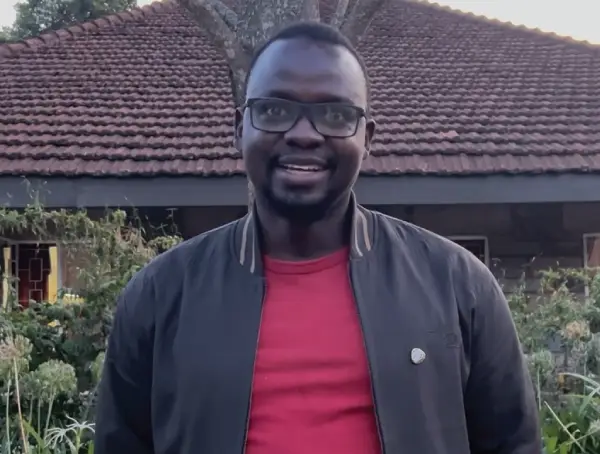
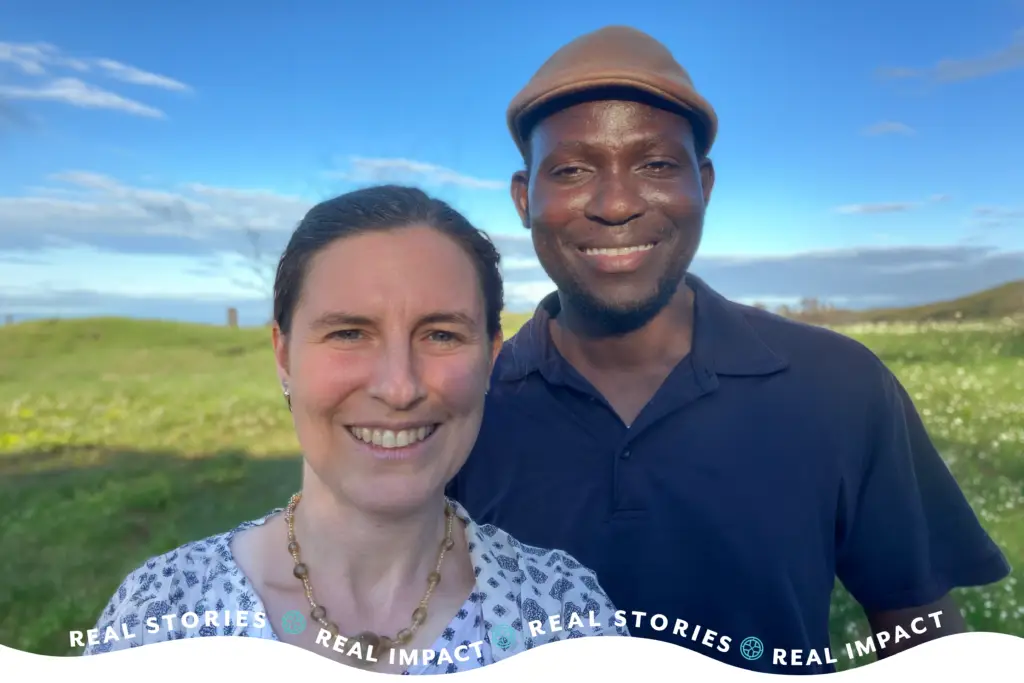
Dr. Paul Opare-Addo has seen how much difference that time can make. 

“Two years can make a huge difference in the lives of patients and communities.” 

Why Training Matters 

The National Scholars Program helps physicians begin residency sooner. 

That means: 

  • More doctors trained 
  • Care available sooner 
  • Communities served earlier 

Paul has seen this impact firsthand. 

Multiplying Impact Through Local Physicians 

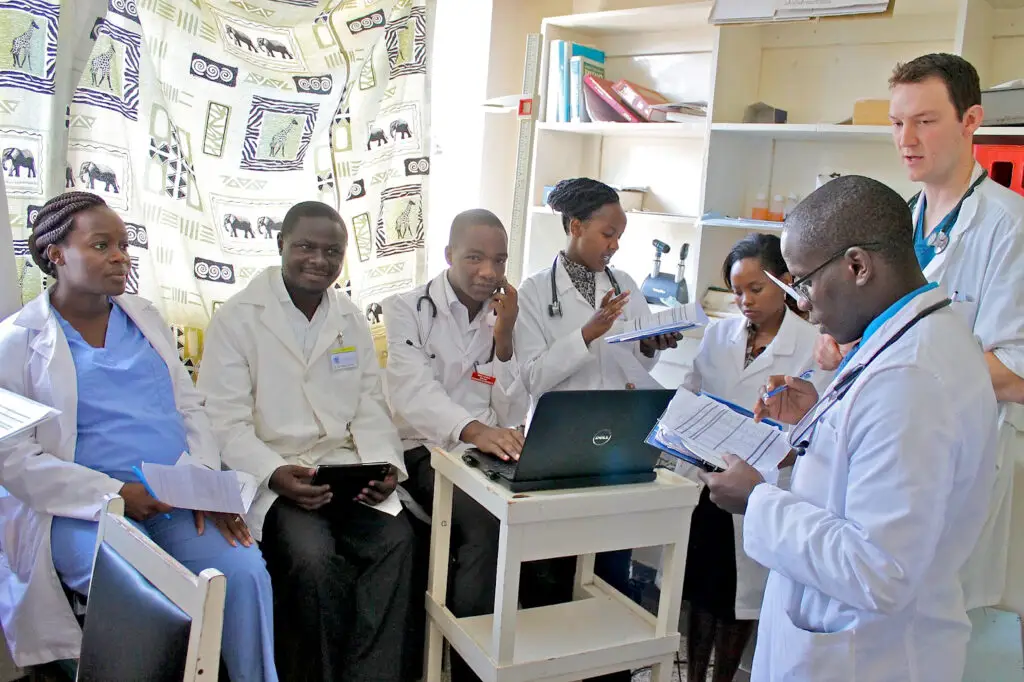
Doctors trained through this program return to serve in their own communities. 

They understand: 

  • Language 
  • Culture 
  • Local needs 

This leads to stronger care and deeper trust. 

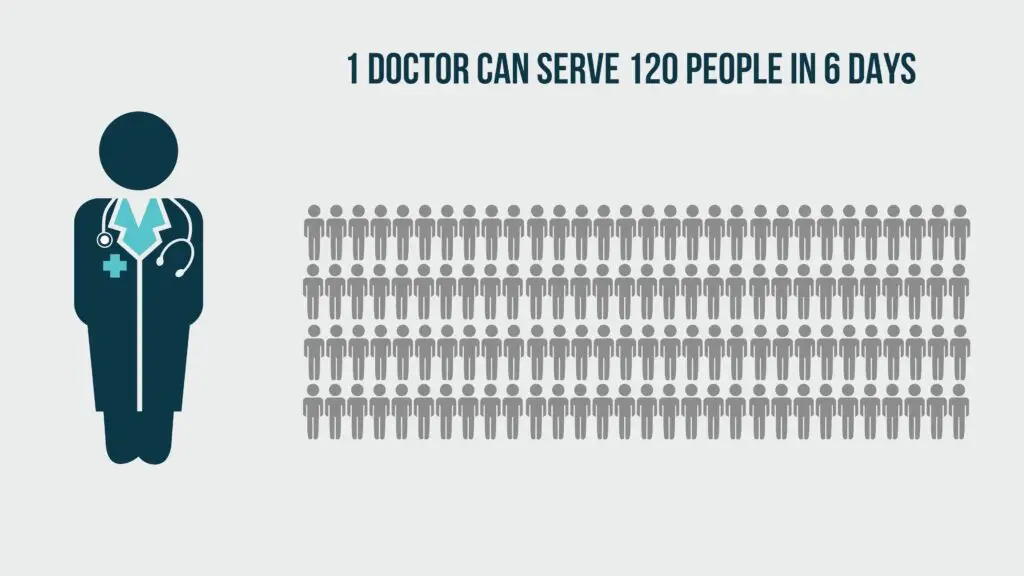
It also creates multiplication. As more doctors are trained, more patients are reached. 

Watch the Story 

A Clear Opportunity Before June 30 

There are more doctors ready to train. 

Your support helps them begin. 

Give before June 30 to support the training of National Scholars and expand access to care. 

Read Paul’s Full Story 

“Two years can make a huge difference in the lives of patients and communities.” 

The following is a transcript from our interview with Dr. Paul Opare-Addo, who is serving in Kenya and helping train physicians through MedSend’s National Scholars Program.

Paul: 

Training a doctor takes time. In many places, that process can be delayed, and those delays have real consequences. 

Two years can make a huge difference in the lives of patients and communities. 

When a doctor begins training sooner, they are able to start serving sooner. That means patients receive care earlier. 

We’ve seen how this changes access to care. 

Doctors trained through this program return to serve in their own communities. They understand the context and the needs. 

That makes a difference in how they practice. 

It also creates a multiplying effect. 

As more doctors are trained, more patients are reached. More communities have access to care. 

That is what makes this work so important. 

Leave a Reply

Your email address will not be published. Required fields are marked *

Other Related Posts:

A movement of the willing to meet the needs of the many. Read testimonies of transformation from the frontlines.

Mask group (12)

Healthcare meets hope.

See the groundbreaking ways healthcare is becoming the catalyst for evangelical missions, opening doors to regions previously inaccessible for the Gospel.

Group 159 (1)
blurry 2

Flourishing by Design: Imagining Medical Missions for 2040

Our predecessors faithfully built institutions that have served for generations. Our challenge is different. We have inherited those institutions into a world they could scarcely have imagined. Population growth, urbanization, changing disease patterns, financial pressures, conflict, climate shocks, and technological change are reshaping healthcare across low- and middle-income countries.

Drawing on new data about the Christian health ecosystem, strategic consultations with global and African Christian health leaders, and field experience across Africa and Asia, this session explores what it will take for Christian health ministries to flourish by 2040.

Together we’ll imagine what it will take for Christian health ministries to flourish by 2040, strengthening resilient institutions, cultivating exceptional local leadership, and mobilizing a broader range of Christian expertise from medicine and nursing to governance, education, engineering, finance, data science, and technology.

How can Christian health ministries become indispensable partners in building resilient health systems that reflect the compassion and hope of Christ? The legacy of the next generation of medical missions will be measured not only by the number of missionaries sent, but by the resilience, flourishing, and Christ-centered witness of systems they strengthen.