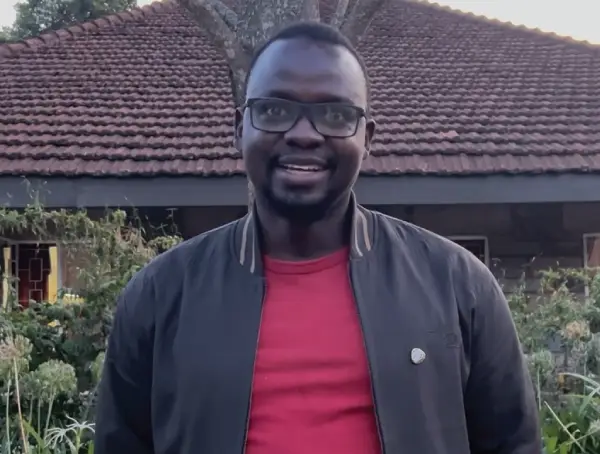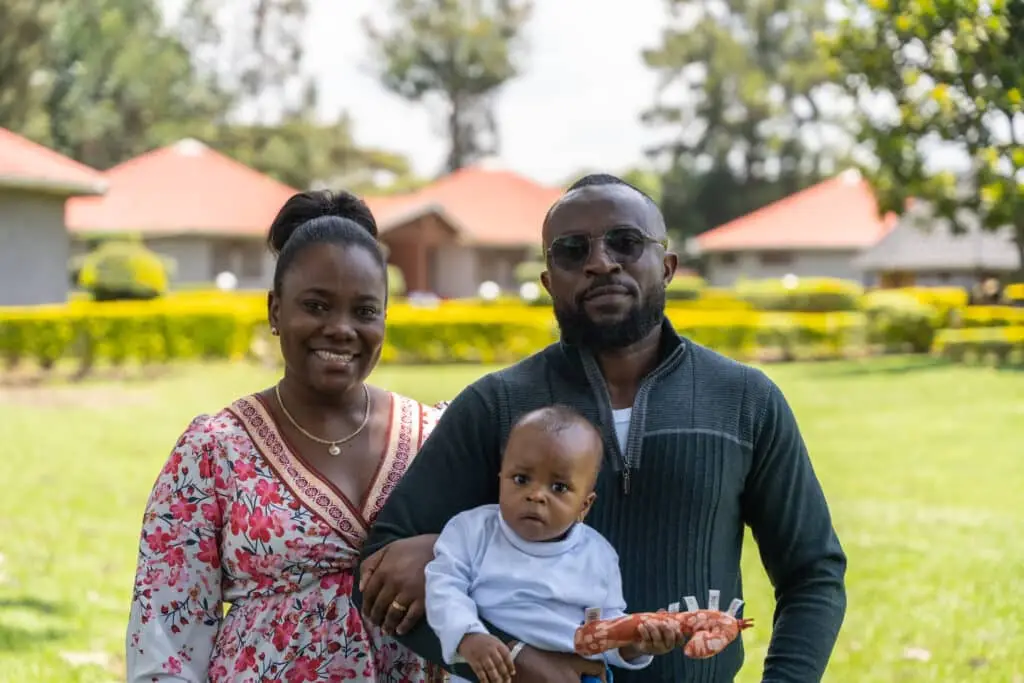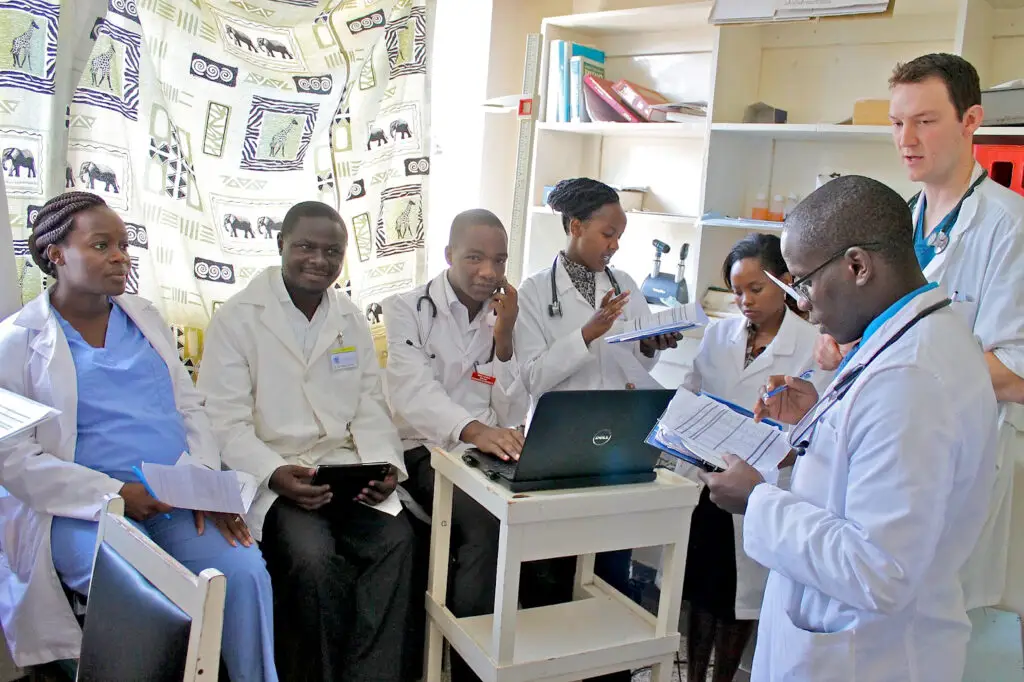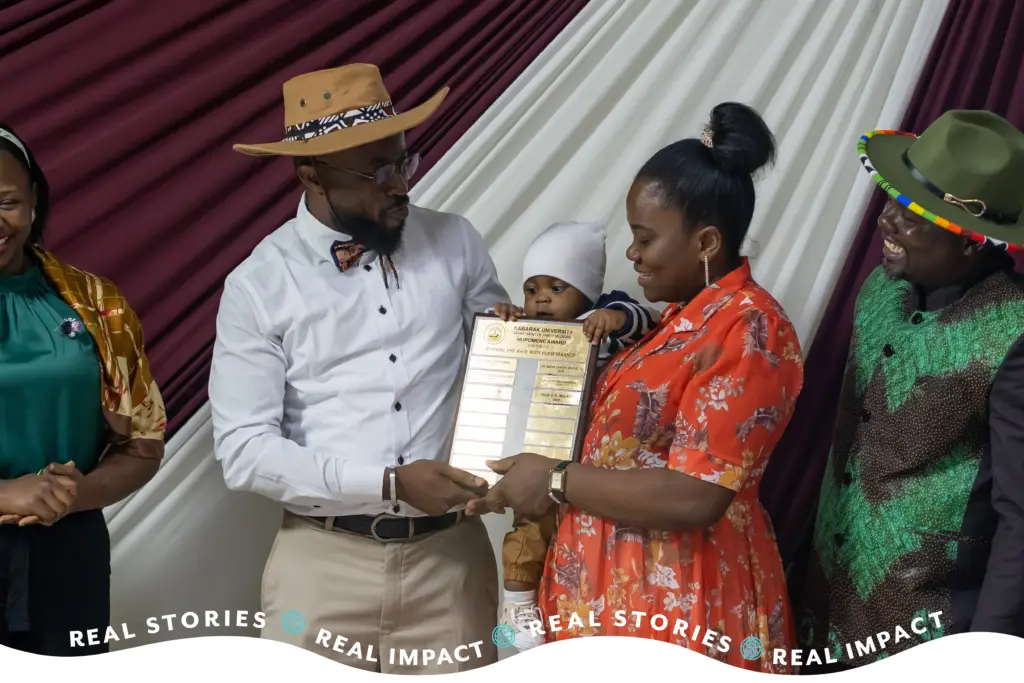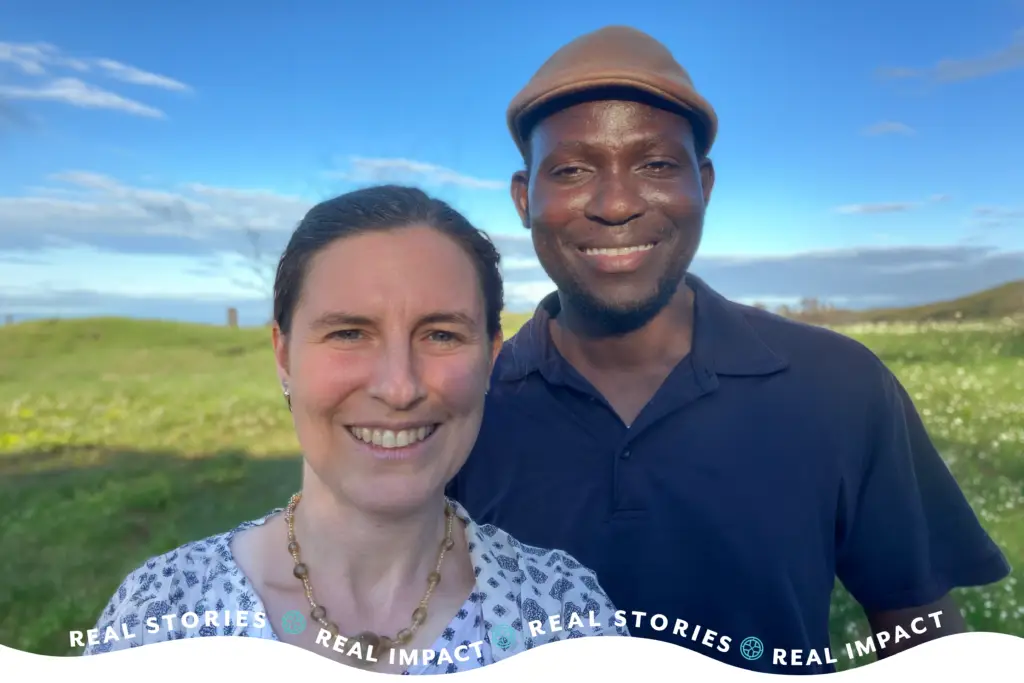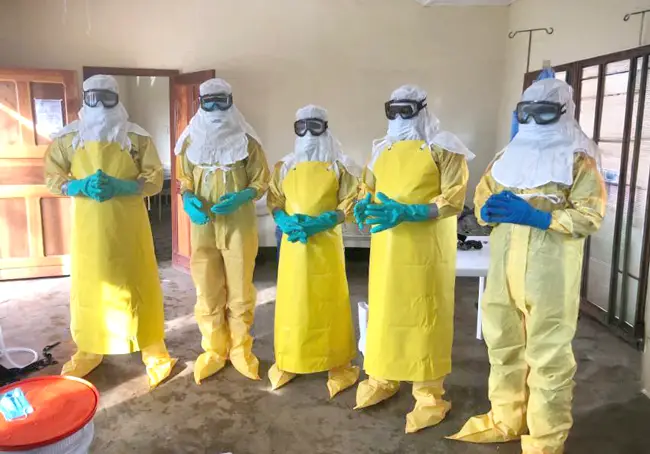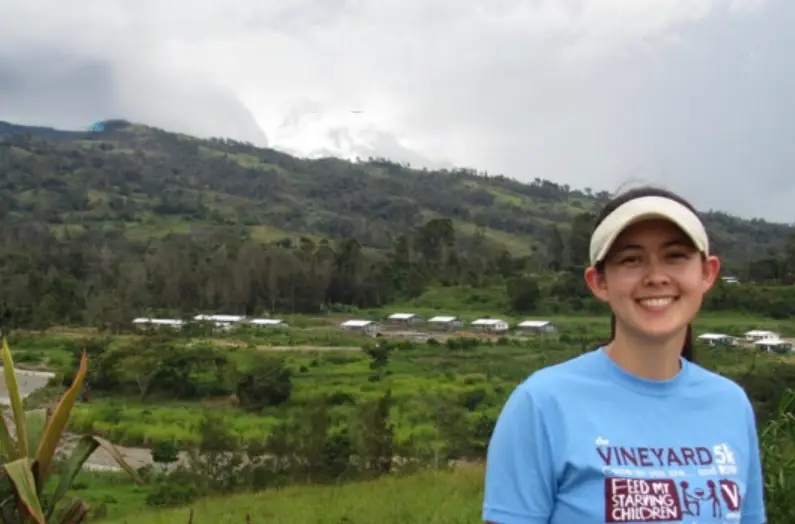
Grant recipient Dr. Geoff Moses recently returned from a large medical outreach north of where he serves in West Africa. He and his team poured out the love of Christ, and by God’s grace were able to see about 1000 patients in just over 2 days. The specific village they served was without known gospel circulation until recent efforts of a church planter who became a new team partner.
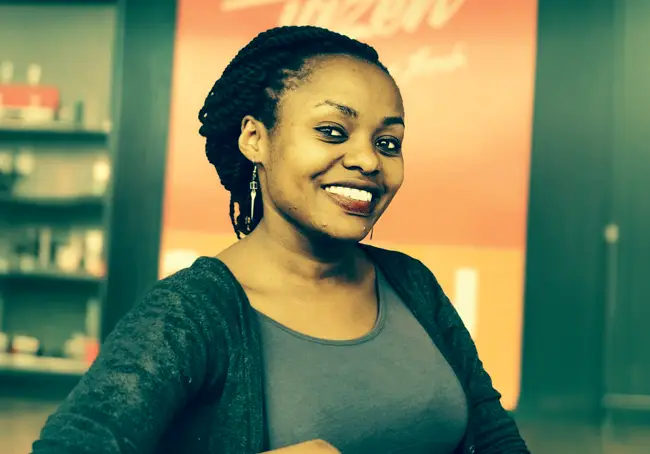
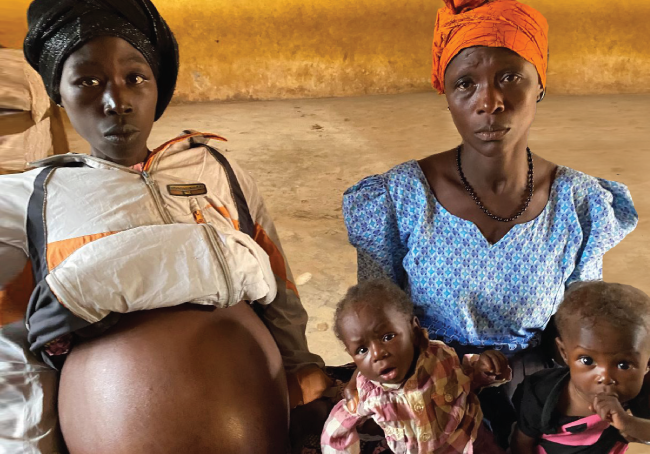
The woman in the picture above, Fatmata, is NOT pregnant, although she appears to be. She has fluid built up in her abdomen, called ascites. Because of the pressure of this fluid, she struggles to breathe, sleep, walk, eat, and eliminate waste. Her pain is severe and has been worsening due to lack of access to medical care.
Compassionate Care is more than just medicine
7 months ago, Fatmata delivered twins who are severely malnourished and developmentally delayed. Her husband ran off to the capital city, leaving her alone in her suffering with only the hope of a miracle to keep her babies alive. Dr. Moses has seen enough on the field to know that without intervention she and her children would all surely perish. This sad case is all too common in West Africa.
Dr. Moses shares that when faced with the hopelessness of many, “[he and his team] find ourselves jumping back and forth between medical and spiritual solutions. While doing everything in our power to change and save lives, do we pray harder or treat harder? Situations like this usually require a combination of the two– working like it all depends on us, but praying because it actually all depends on God.”
For Fatmata, Dr. Moses and his team prayed for healing of her body and soul. They prayed for her spirit to grow in awareness of ultimate truth. They treated her symptoms with pharmaceuticals, conducted tests, educated her on infant nutrition, and used a needle, tubing, and old plastic bottles to drain fluid from her belly. They created a plan of action to get her and her children to a city hospital. There, they would hopefully be able to analyze the fluid for tuberculosis and other diseases and provide malnutrition supplements to the little ones, if available.
Low-resource environments create vulnerable populations
Often free medical care is promised by the government but not delivered, Dr. Moses explains. But rather than get angry at the earthly rulers and authorities who fail the people within their borders, he says we must look at history and ask ourselves an important question: Is it the government’s job to love people or the church’s? He and his team have no doubts about that answer and what they’ve been called to do.
MedSend National Scholars and grant recipients like Dr. Geoff Moses can only do what they do because of the support of MedSend donors who believe in the mission to advance the Gospel through quality, compassionate healthcare. As members of God’s Church, we are extending His love in areas of deep pain and suffering. Will you join us today?