
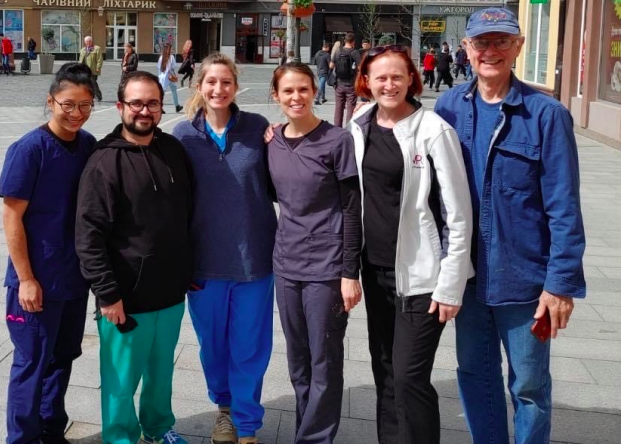
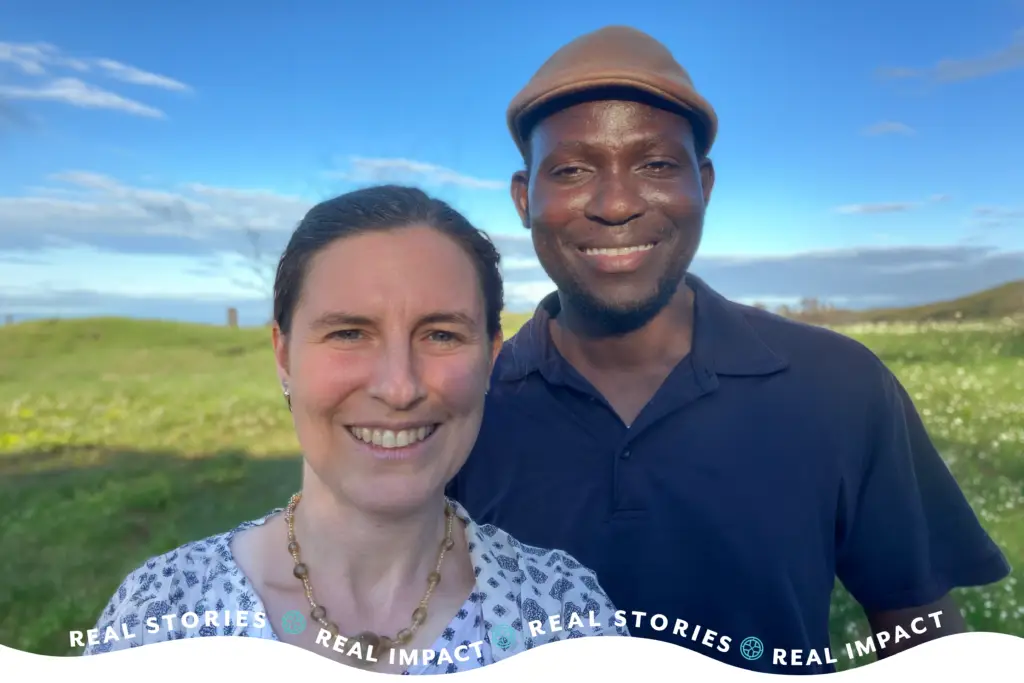
Dr. Catherine Hodge is a MedSend supported medical missionary serving in Malawai, Africa.
Up until three and a half weeks ago, Dr. Catherine Hodge had no thoughts of going to Ukraine. Unlike other disaster relief trips which attend to events like hurricane or earthquakes, Ukraine was and is an active war site. But everything changed when she received an email on April 13 inviting her to join a small team of doctors headed to assist internally displaced peoples in western Ukraine. She sent nothing but a screenshot of the email to her husband Dave and he responded with three words: “you should go.”
Dr. Hodge wanted to bring a second doctor with her. A new first-year Family Medicine resident at the hospital where she serves in Malawi (Nkhoma Hospital) is a Greek-Malawian named Dr. Antonio. Antonio went to medical school in Russia and thus is fluent in Russian, which most Ukrainians speak. He also had a Greek/EU passport, so he could easily and quickly travel to Eastern Europe. Catherine got permission to bring Dr. Antonio along, and she was amazed at how quickly he accepted the invitation, despite the potential danger.
As soon as the decision was made for Catherine and Antonio to join the other four members on the team, it was a bit chaotic as they worked at breakneck speed to procure supplies and drugs from Malawi, pack and label it all up ahead of time, and get everything approved by Malawian customs and Malawi’s Pharmacy and Poison Board.
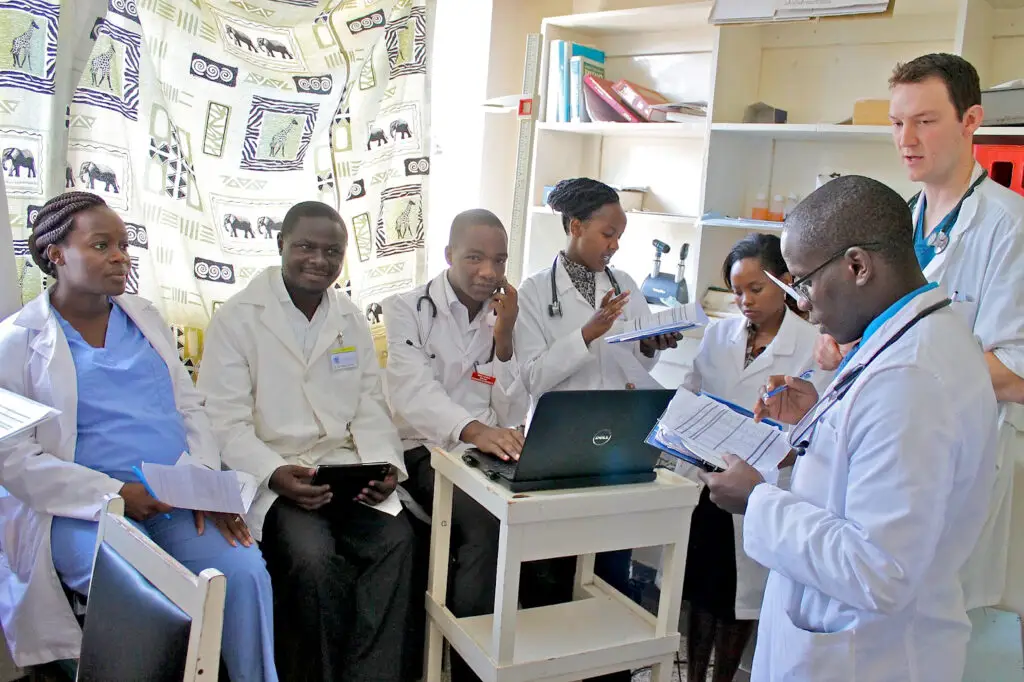
The team flew to Budapest, Hungary, and crossed the border into Uzhhorod, Ukraine, a few hours later. They stayed with a lovely host family, Douglas and Marina Landro, a missionary couple with One Collective. Along with another missionary on the ground, they had arranged a number of clinics for the team over the following week. They treated internally displaced Ukrainians and Roma in a coffee shop, a dormitory, a hotel, churches and even a warehouse. After a few of these clinics, they could set up and breakdown their makeshift pharmacy setup in just a few minutes. Although they treated a few urgent issues, their mainstay of treatment was assisting patients who had chronic medical conditions and needed review and refill of their medications for things like high blood pressure and diabetes.
One of their days was reserved for teaching 25 local family medicine doctors. Many doctors and specialists in Ukraine had understandably fled with their families, but these 25 doctors are busy treating the local displaced peoples. A good friend of Dr. Hodge’s from her residency days, Dr. Joy Ruff, taught a crash course in bedside ultrasound. Dr. Lloyd Nickerson taught how to run a disaster-type clinic in various settings. And Dr. Hodge was able to lecture on the basics of counseling patients with trauma, based on what she had learned in her own work from Nkhoma Hospital’s own local trauma counselor, Bethany Robbins.



One Response
our prayers are with Dr. Hodge and her team, and all who are serving those terribly impacted by this ruthless war. May the Lord keep them safe, and may their presence and medical expertise bring comfort to those they serve.
Thank you MedSend! You continue to fill a very important gap in the lives of those who practice medicine, making it possible for them to serve the lord throughout the world.